
Black History Month arrives each February as a necessary pause. It’s a time to honor the monumental successes of past civil rights movements, but also to sit with an uncomfortable truth: our society has often failed to live up to its promises, and the work for justice is far from over. This year, I want to think about that ongoing struggle more productively, connecting the sanitized history we’re often taught with the complex cultural moments we’re living through right now.
It’s easy to idolize figures from the past, to smooth out their sharp edges until they fit comfortably into a simplified narrative. Take Martin Luther King Jr. and his “I Have a Dream” speech. We almost exclusively hear the hopeful climax about his dream for a better America. We rarely hear the first half of the speech, his critiques of a nation that had given Black Americans a “bad check, a check which has come back marked ‘insufficient funds.'”
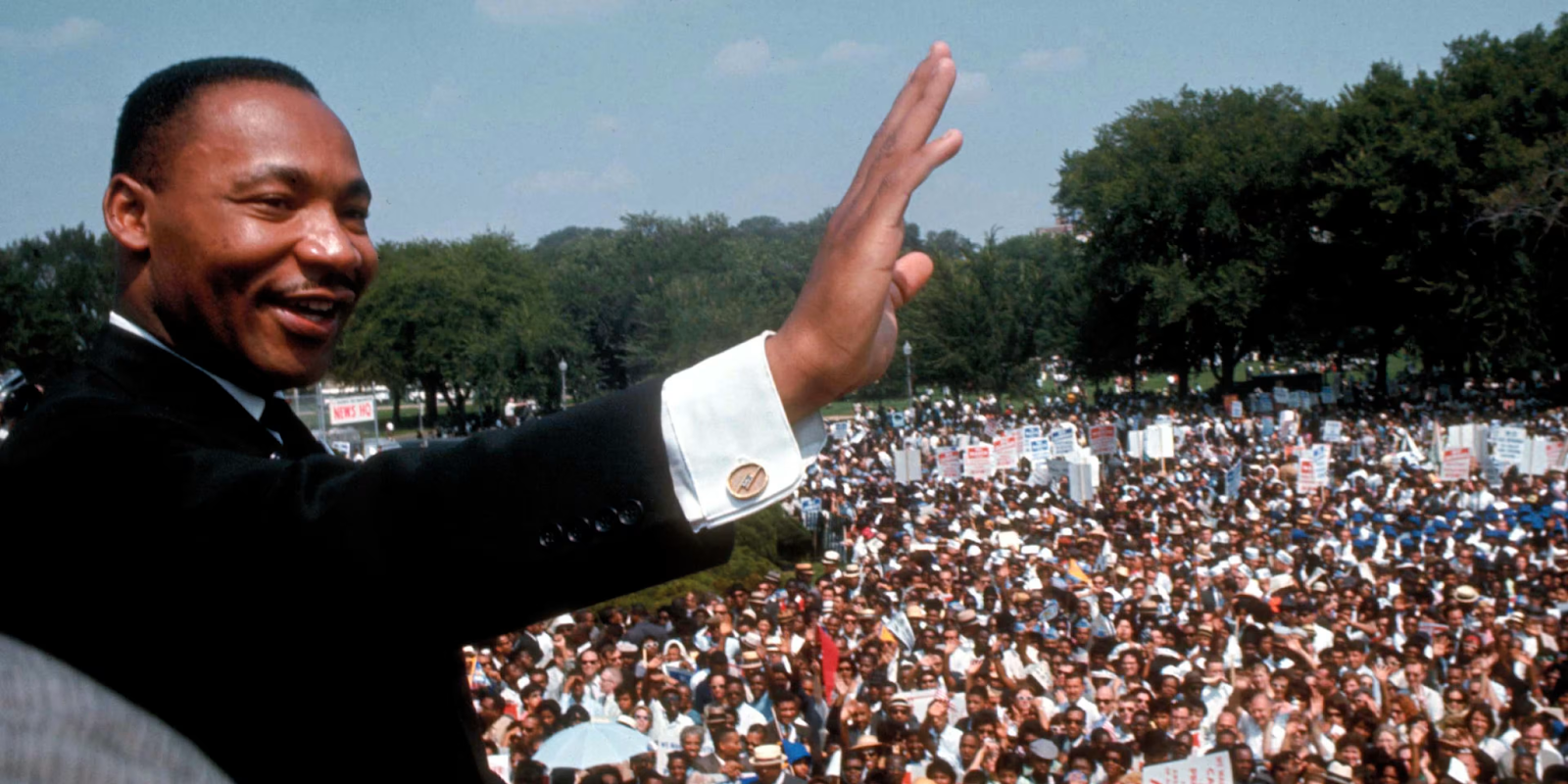
Dr. King delivering his 1963 “I Have a Dream” speech.
Dr. King was a dynamic, complex leader who faced intense criticism, even from his peers, and who had to learn on the job after being thrust into leadership at just 26 years old. To truly understand him is to understand that the fight for racial justice is gradual, difficult and still happening today. (If you want to dive deeper, the podcast Teaching Hard History has a phenomenal episode on this very topic).
This act of challenging comfortable narratives isn’t confined to the history books. We see it today in artists who use their massive platforms to force a similar conversation. Think of Bad Bunny. At Sunday’s Super Bowl performance, he brought the powerful, unfiltered sounds of Puerto Rican street music to the main stage, performing almost entirely in Spanish. He uses his global platform to criticize colonialism, to celebrate immigrants and to force his audience to reconsider what, and who, defines “America.”
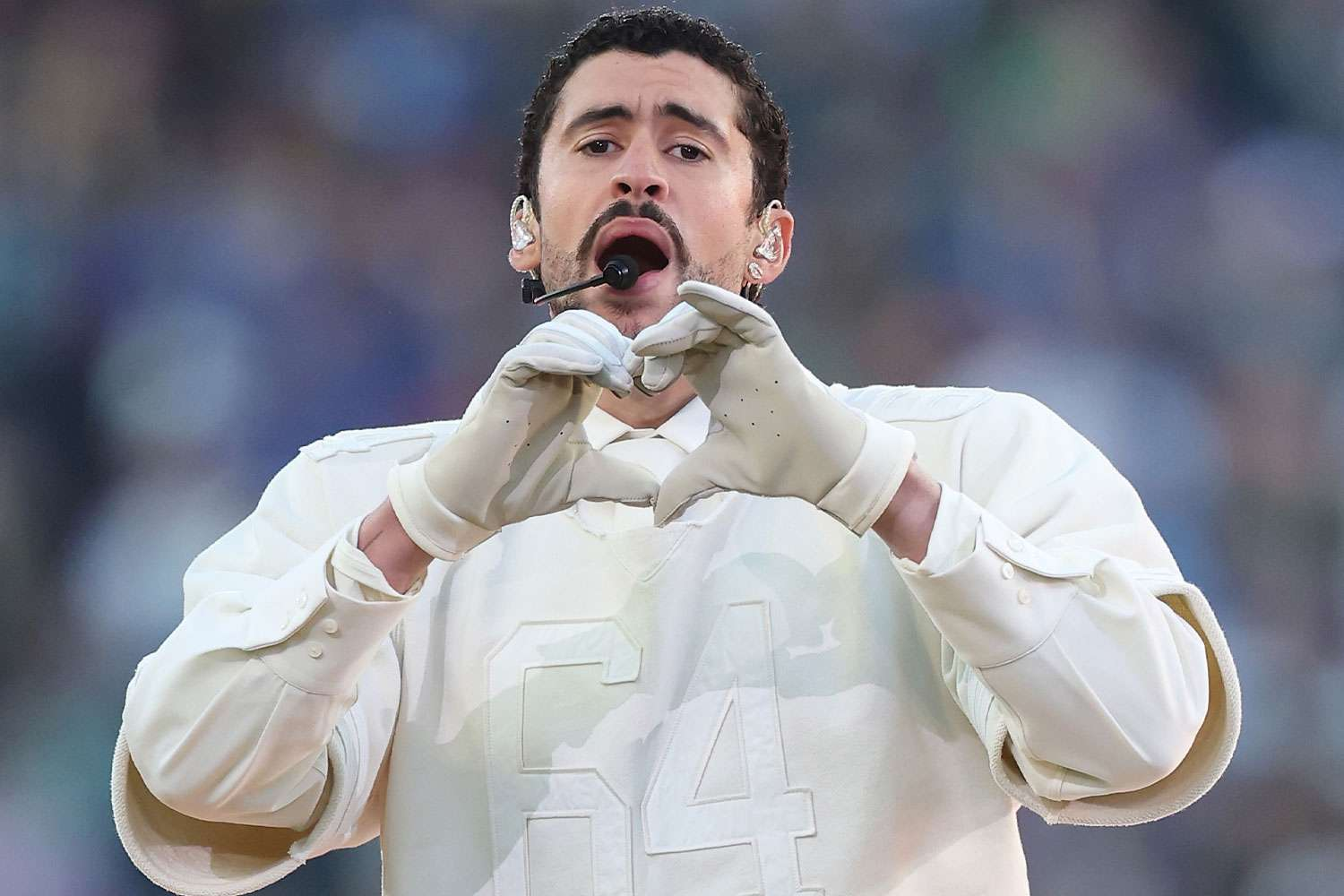
Bad Bunny performing at his Superbowl XL Halftime show.
Like Dr. King, Bad Bunny’s work acknowledges that for a society to be truly great, it must confront its flaws. When he critiques injustice or celebrates cultures that have been pushed to the margins, he is engaging in the same work: holding a mirror up to a nation and demanding it live up to its founding ideals of liberty and justice for all.
So, what can we, as aspiring communications specialists, do with this?
When I say I want to apply these concepts more productively, I mean we must treat Black History Month as a call to action, not just a celebration.
As the next generation of public relations, advertising and communications leaders, our job is to understand these cultural movements and, more importantly, why they resonate. A brand posting an MLK quote without understanding the radical message behind it is just as hollow as enjoying a Bad Bunny song without acknowledging the cultural and political context he injects into his art.
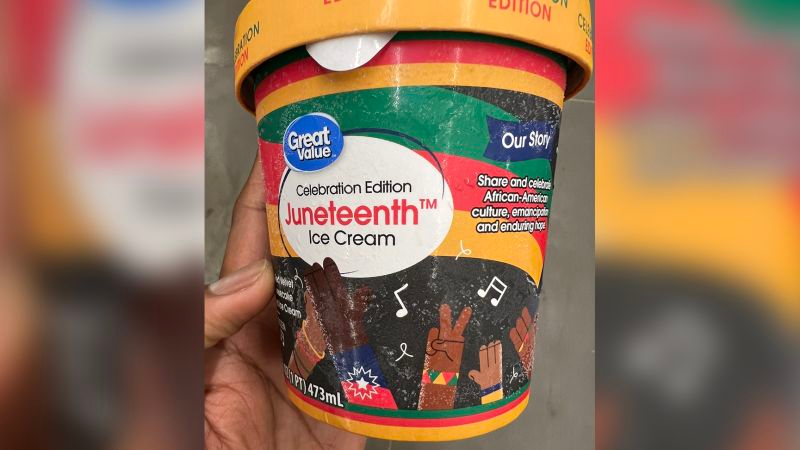
Tone-deaf Juneteenth ice cream sold at a Walmart in 2022.
Our work must go beyond surface-level acknowledgment. We must be the ones in the room who push for positioning our communications alongside earnest, meaningful change. By seeing the full picture, both past and present, we can help build a future where our messages actively work to make it better.

Henry Gorsuch is a Journalism Strategic Communications major with a minor in Marketing and can be found on LinkedIn here.